
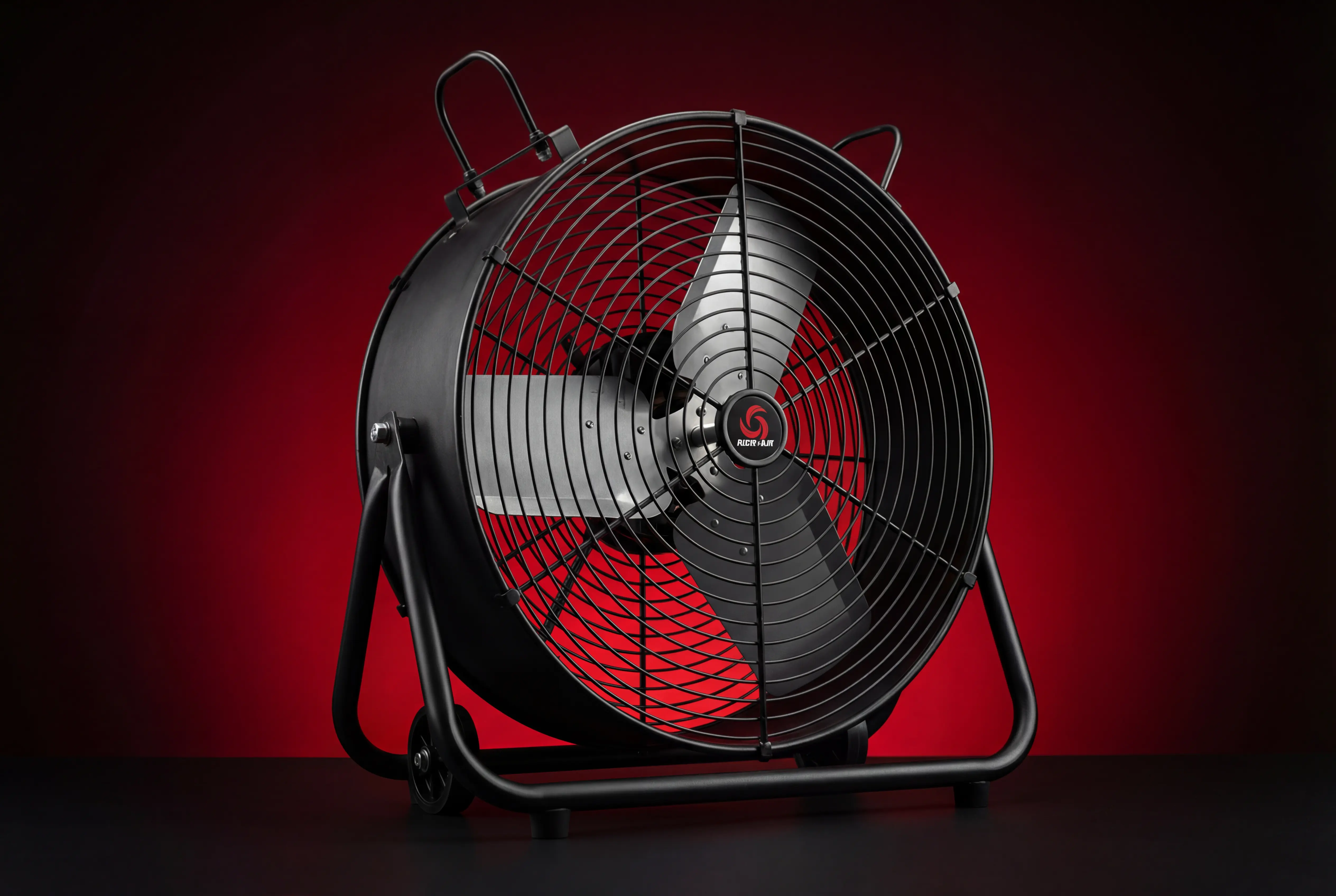
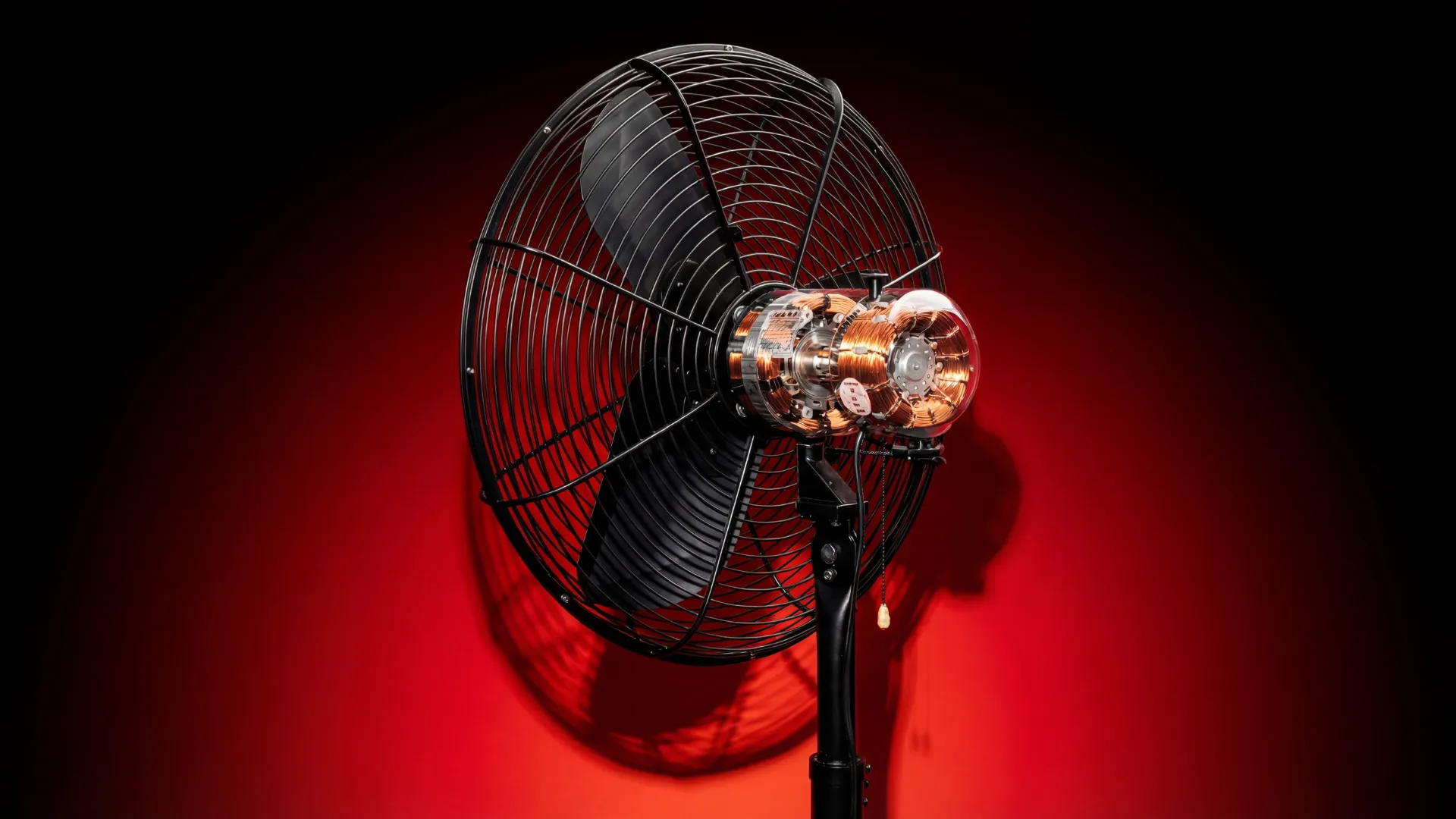
How to Choose the Right Industrial Fan for Your Factory or Warehouse
In large industrial environments such as factories, warehouses, workshops, and commercial facilities, maintaining proper airflow is essential. Poor ventilation can lead to excessive heat, humidity buildup, and uncomfortable working conditions that reduce productivity and even affect equipment performance.
Industrial fans provide an effective solution by circulating large volumes of air, improving ventilation, and maintaining a comfortable environment. However, choosing the right industrial fan requires understanding the specific needs of your facility.
In this guide, we explain the key factors to consider when selecting the best industrial fan for your factory or warehouse.
Why Proper Ventilation is Important
Industrial facilities often generate heat from machinery, lighting, and production processes. Without adequate airflow, hot air and pollutants can accumulate, creating unhealthy working conditions.
Installing the right industrial fan can help:
- Improve air circulation across large spaces
- Reduce indoor temperature buildup
- Remove dust, fumes, and stale air
- Enhance worker comfort and productivity
- Improve overall energy efficiency
Proper ventilation not only creates a better working environment but can also extend the lifespan of equipment and reduce cooling costs.
Understand Your Space Requirements
The first step in choosing the right industrial fan is evaluating the size and layout of your facility.
Consider factors such as:
- Total floor area
- Ceiling height
- Machinery placement
- Heat-generating equipment
- Airflow obstacles
Large warehouses with high ceilings may require powerful air circulator fans to move air efficiently, while smaller facilities may benefit from wall-mounted or portable solutions.
Determine the Required Airflow (CFM)
Airflow capacity is one of the most important specifications when selecting an industrial fan. It is measured in CFM (Cubic Feet per Minute), which indicates the volume of air the fan can move.
Facilities with larger spaces or higher heat loads require fans with higher CFM ratings to ensure proper circulation. Choosing a fan with insufficient airflow can lead to ineffective ventilation, while selecting the correct airflow capacity ensures optimal cooling and air distribution.
Choose the Right Type of Industrial Fan
Different types of industrial fans serve different purposes. Selecting the appropriate type depends on your ventilation needs.
Air Circulator Fans
Designed to move air continuously across large areas. Ideal for warehouses, production floors, and commercial spaces.
Exhaust Fans
Remove hot air, fumes, and contaminants from enclosed environments. Essential for manufacturing and Workshops.
Portable Blowers
Flexible airflow solutions for temporary cooling, drying, and maintenance tasks in construction and logistics.
Weatherproof Fans
Durable performance for outdoor or harsh conditions, resisting dust, rain, and extreme temperatures.
Consider Energy Efficiency
Energy consumption is an important factor for facilities operating fans for long hours. High-efficiency motors and well-designed blades can significantly reduce electricity costs while maintaining strong airflow.
Investing in efficient airflow solutions can provide long-term savings and improved sustainability.
Evaluate Durability and Build Quality
Industrial fans operate in demanding environments where reliability is crucial. Look for fans constructed with heavy-duty materials and strong protective features.
Key durability factors include:
- Corrosion-resistant materials
- Balanced metal blades
- Thermal overload motor protection
- Sturdy mounting systems
Conclusion
Choosing the right industrial fan for your factory or warehouse requires careful consideration of airflow requirements, facility size, fan type, energy efficiency, and durability. A well-designed ventilation system not only improves air quality but also enhances operational efficiency.
By investing in the right airflow solution, businesses can create safer, more productive environments while reducing long-term energy costs.